Feeling sick in Shinjuku? Learn how English-speaking doctors, online consultations, and pharmacies work for tourists without Japanese insurance.
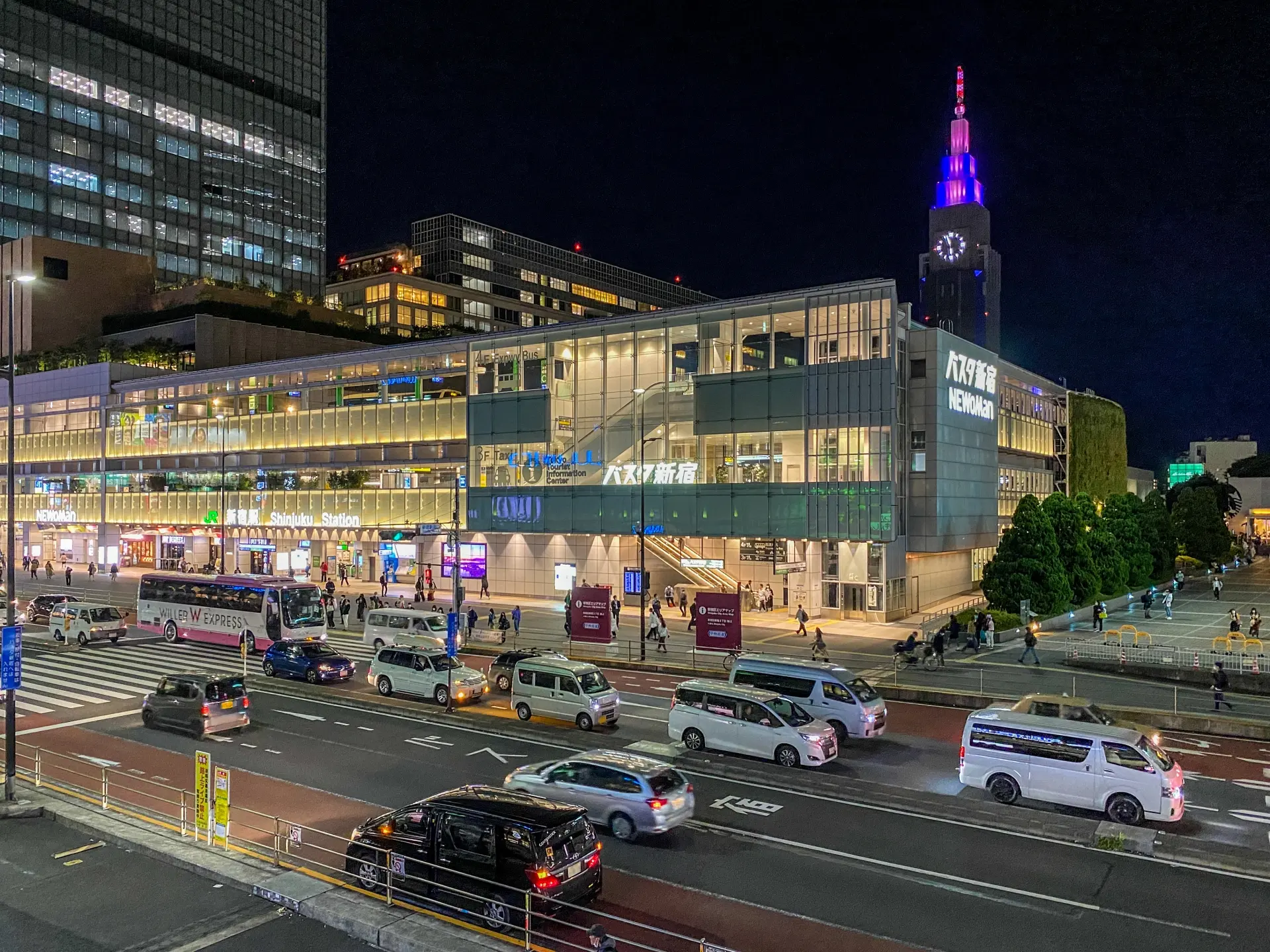
Shinjuku is one of Tokyo’s busiest districts and the world’s most-used train station area. With millions of tourists passing through each year, medical needs are common—sudden fevers, food-related stomach issues, sprained ankles from long walks, or allergies from seasonal pollen. If you’re staying at a Shinjuku hotel or exploring Kabukicho, Shinjuku Gyoen, or the skyscraper district, this guide explains exactly how to see a doctor as an uninsured tourist, what it costs, and how to skip the language barrier entirely.
Short answer: Yes, tourists can see a doctor in Shinjuku without Japanese insurance. You pay 100% out of pocket, but costs are moderate (5,000–15,000 yen for a basic visit), many clinics accept credit cards, and you can even skip the clinic entirely with online consultation in English through medbook.jp.
Do You Really Need Japanese Insurance to See a Doctor in Shinjuku?
No. Foreign visitors without Japanese national health insurance can walk into most private clinics and pay the full fee at checkout. There is no legal restriction. What changes is the price: without insurance, you pay 100% instead of the 30% that residents pay. Public hospitals sometimes ask for a deposit up front (often 10,000–30,000 yen for emergencies), but most Shinjuku clinics simply charge you at the end of the visit.
The bigger challenge for most tourists is not payment—it’s finding a doctor who speaks English and can see you without an appointment. That’s where Shinjuku actually has advantages: it’s one of the few districts in Japan with a real cluster of English-friendly medical services.

What Does a Doctor Visit Cost in Shinjuku Without Insurance?
Prices vary by clinic and complexity, but the following are realistic ranges for a first-time uninsured visit in the Shinjuku area:
General Clinic (Naika)
5,000–10,000 yen for a basic consultation. Common colds, mild fevers, stomach issues.
English-Speaking Clinic
10,000–20,000 yen. Higher fee but includes bilingual staff and often same-day appointments.
Emergency Room (Hospital)
15,000–30,000 yen minimum, plus deposit. Only use if it’s a real emergency.
Online Consultation (medbook)
Around 3,300–5,500 yen. English doctor via video, digital prescription sent to a nearby pharmacy.
Prescription Drugs
1,000–5,000 yen additional at the pharmacy, depending on medication.
Basic Tests
Blood test 3,000–7,000 yen. X-ray 5,000–10,000 yen. Added to base fee if needed.
These are typical ranges only. Actual fees depend on the specific clinic and what the doctor recommends. Always ask for an estimate before agreeing to expensive tests.
Three Ways to See a Doctor in Shinjuku as an Uninsured Tourist
Depending on your symptoms, mobility, and how much you want to leave your hotel, one of these three options will usually fit.
Option 1: Walk Into an English-Speaking Clinic
Shinjuku has one of Tokyo’s highest concentrations of clinics that accept walk-in tourists and have at least some English-speaking staff. Many are located within a short walk of Shinjuku Station’s east and west exits, and several stay open until evening. Some accept international credit cards; a few even accept traveler’s insurance direct billing.
Best for: face-to-face consultation, physical exams, injuries, situations where a doctor needs to look at you directly.
Option 2: Online Consultation from Your Hotel Room
If your symptoms don’t require physical examination—fever, sore throat, mild stomach pain, refill of a common prescription, allergy medication—you can consult a licensed Japanese doctor in English via medbook.jp. The doctor sends a digital prescription that you can fill at any Japanese pharmacy, and the whole consultation typically takes 15–20 minutes.
Best for: mild symptoms, jet lag, prescription refills, situations where leaving your hotel feels difficult, late-night or early-morning needs.
No time to travel? Consult an English-speaking doctor from your hotel in Shinjuku.
Option 3: Emergency Hospital (Only If Urgent)
For severe injuries, chest pain, sudden severe abdominal pain, or any life-threatening situation, dial 119 for an ambulance. Shinjuku is served by several major hospitals with 24-hour emergency departments. The ambulance service itself is free, but the hospital visit is not. Expect to pay a substantial deposit and to be seen faster if you can describe your symptoms clearly—even in broken Japanese, the words “kyukyu” (emergency) and pointing to where it hurts will help.
Best for: real emergencies only. Do not use ER for mild colds or general checkups.

How to Prepare Before Your Visit
A few small preparations save significant time at the clinic.
Bring Your Passport
Every clinic asks for photo ID. Your passport is the safest option.
Cash and Cards
Most Shinjuku clinics accept credit cards, but some smaller ones are cash-only. Bring at least 20,000 yen cash as backup.
Symptom Notes in English
Write down when symptoms started, how they feel, any medications you’re taking. Even a phone note helps the doctor.
Names of Current Medications
Have the English names of any prescription drugs you take regularly. Japanese doctors need this to avoid interactions.
What to Do After Your Visit
Keep every receipt. Most travel insurance policies will reimburse medical costs incurred abroad if you file a claim within a certain window (usually 30–60 days after returning home). The Japanese receipt (領収書, ryoshusho) will be in Japanese, but travel insurers accept it as long as the amount, date, and clinic name are visible.
If the doctor gives you a prescription, take it to any nearby pharmacy (yakkyoku, 薬局). In Shinjuku, pharmacies are plentiful, and several major chains have English-speaking staff or translation apps ready. Prescription medications are strictly regulated in Japan, so avoid asking for stronger versions than what was prescribed.
If you need follow-up care after leaving Japan, ask the doctor for a written summary in English (this may cost extra, around 3,000–5,000 yen). This lets your home doctor understand what was diagnosed and prescribed.
FAQ: Medical Care for Uninsured Tourists in Shinjuku
Can I use my travel insurance at a Shinjuku clinic?
Some large hospitals and international clinics accept direct billing from major travel insurers, but most small clinics do not. The safe assumption is that you pay upfront and file for reimbursement after you return home. Save every receipt.
What if I don’t speak any Japanese at all?
Online consultation through a service like medbook.jp is the safest way to skip the language barrier entirely. For walk-in clinics, translation apps work reasonably well for basic symptoms, but complex conditions may require an English-speaking clinic or a hospital with translation services.
Can I get a prescription refilled in Shinjuku?
Possibly, but with limits. A Japanese doctor can only prescribe medications approved in Japan and must examine you first (in person or via online consultation). Some medications common in your home country may not be available or may have different names. Bring the exact English name and dosage.
What if it’s a weekend or holiday?
Some Shinjuku clinics are open on Saturday mornings. On Sundays and holidays, most private clinics are closed, so your options narrow to hospital emergency departments or online consultation. medbook.jp is available 24/7, including holidays.
How much cash should I bring to a clinic?
Bring at least 20,000 yen in cash to cover a typical visit, even if you plan to pay by card. Some clinics have card machine problems, and the last thing you want after a doctor’s visit is a payment issue.
Are pharmacies in Shinjuku open at night?
Some large chain drugstores (Matsumoto Kiyoshi, Don Quijote) are open until midnight or 24 hours and sell over-the-counter medicines. Prescription pharmacies (chōzai yakkyoku) typically follow standard business hours—closed at night and on holidays.
Need Medical Help in Shinjuku Right Now?
If you’re feeling sick in your Shinjuku hotel and don’t want to navigate an unfamiliar clinic, an English-speaking Japanese doctor is one video call away. Online consultation through medbook.jp works for most non-emergency situations and includes a digital prescription you can fill at any nearby pharmacy.
コメント