Sick in Shikotsu? Medical Care Guide for Tourists
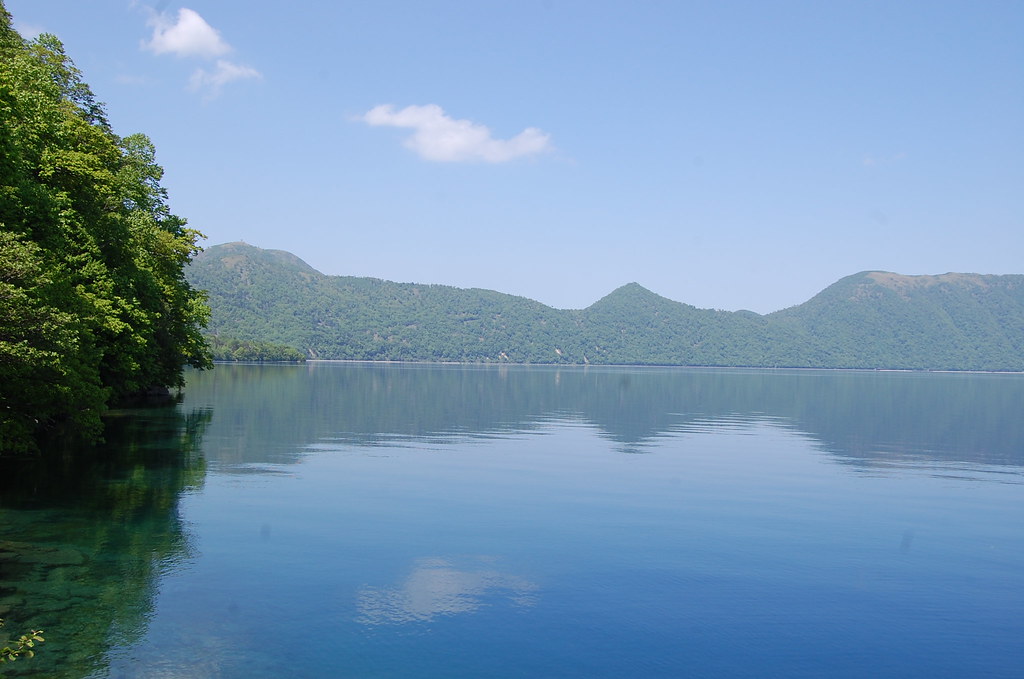
Lake Shikotsu is one of Japan’s clearest caldera lakes, surrounded by forested mountains and home to a small onsen village on its eastern shore. If you need medical attention during your stay, this guide covers your options — from nearby hospitals to online consultations available in English.
Medical Access in Shikotsu
Shikotsu is set beside one of Hokkaido’s scenic lakes, attracting visitors for its natural beauty and hot springs. Medical facilities in the immediate area are limited — a small clinic may be available, but comprehensive care requires traveling to a larger town or city.
The nearest major hospital is in Chitose, approximately 30 minutes by car from Chitose from Shikotsu. Lakeside areas in Hokkaido can be remote, and winter driving conditions may extend travel times. For non-emergency symptoms, an online consultation through medbook.jp may save you a significant trip while connecting you with an English-speaking doctor.
What to Do If You Feel Sick in Shikotsu
Minor Symptoms (Cold, Headache, Stomach Upset)
For mild symptoms, check whether your accommodation has any over-the-counter medication available, or visit a nearby pharmacy if one is accessible. You may also consult a doctor online through medbook.jp — this can be especially helpful if language is a barrier or if traveling to a clinic is impractical.
Moderate Symptoms (Persistent Fever, Injury, Allergic Reaction)
If symptoms persist or worsen, visit a clinic or hospital in Chitose. Ask your hotel or ryokan staff for help — they can often call ahead, arrange transport, and provide basic interpretation. Bring your passport, insurance documents, and a list of any medications you are taking.
Emergency (Severe Pain, Difficulty Breathing, Heavy Bleeding)
Call 119 immediately for an ambulance. Stay calm and state your location clearly — if possible, have a Japanese speaker (such as hotel staff) make the call. Do not attempt to drive yourself to a hospital in an emergency.
Online Consultation
For non-emergency symptoms, an online medical consultation may be your most practical option. Through medbook.jp, you can speak with a licensed, English-speaking doctor by video — no travel required. This is particularly useful in Shikotsu, where access to English-friendly clinics may be limited.
Nearest Hospitals to Shikotsu
For visitors in Shikotsu, Chitose is the closest city with hospital-level medical care (approximately 30 minutes by car from Chitose). Hospitals in Chitose may include general hospitals with emergency departments, as well as smaller clinics for non-urgent issues.
If you need to visit a hospital, ask your accommodation staff for a recommendation — they may know which facility is most accessible and whether any English support is available. In many cases, hospital reception staff can arrange telephone interpretation services to assist with your visit.
What to Bring to a Clinic
- Passport or photo ID: Required for new patient registration at any medical facility in Japan.
- Travel insurance documents: Bring your policy number and emergency contact details. Most clinics require payment at the time of visit, then provide receipts for reimbursement.
- Cash (Japanese yen): Many smaller clinics do not accept credit cards. Carry at least 10,000-30,000 yen.
- List of current medications: Include generic drug names where possible, as brand names may differ between countries.
- Translation app or written symptoms: A translation app on your phone can be invaluable when English support is not available at the clinic.
- Allergy information: Write down any known allergies, especially drug allergies, to show the doctor before treatment begins.
Health Tips for Visitors to Shikotsu
- Be cautious with outdoor activities: Lakeside areas offer hiking, canoeing, and other activities that carry injury risk. Know your limits and carry basic first-aid supplies.
- Weather can change rapidly: Mountain lakeside areas may experience sudden temperature drops and fog. Dress in layers and carry rain gear even on clear days.
- Carry cash: Smaller clinics and pharmacies near lakeside resorts may not accept credit cards.
- Keep your accommodation informed: Tell your hotel or ryokan staff about any health concerns. They are often your best resource for arranging transport to medical care in Chitose.
Emergency Numbers and Useful Japanese Phrases
- 119: Ambulance and fire (free, available nationwide)
- 110: Police
- #7119: Medical consultation hotline (available in some areas of Hokkaido)
- Japan Visitor Hotline: 050-3816-2787 (24/7, multilingual support for tourists)
The following Japanese phrases may help you communicate in a medical situation:
- 救急車を呼んでください —Please call an ambulance
- 病院はどこですか —Where is the hospital?
- 英語を話せますか —Do you speak English?
- 薬がほしいです —I need medicine
- 熱があります —I have a fever
- お腹が痛いです —My stomach hurts