Allergies in Japan – Guide for Tourists
Allergies can flare up unpredictably while traveling, and Japan has its own particular allergens to be aware of — from intense cedar pollen in spring to food allergens that may differ from labels back home. This guide covers what to expect, what to buy at a Japanese pharmacy, and when to see a doctor.
Types of Allergies in Japan
Most allergic reactions visitors experience in Japan fall into a few familiar categories. Identifying the trigger may help you decide whether self-care is enough or whether seeing a doctor would be wise.
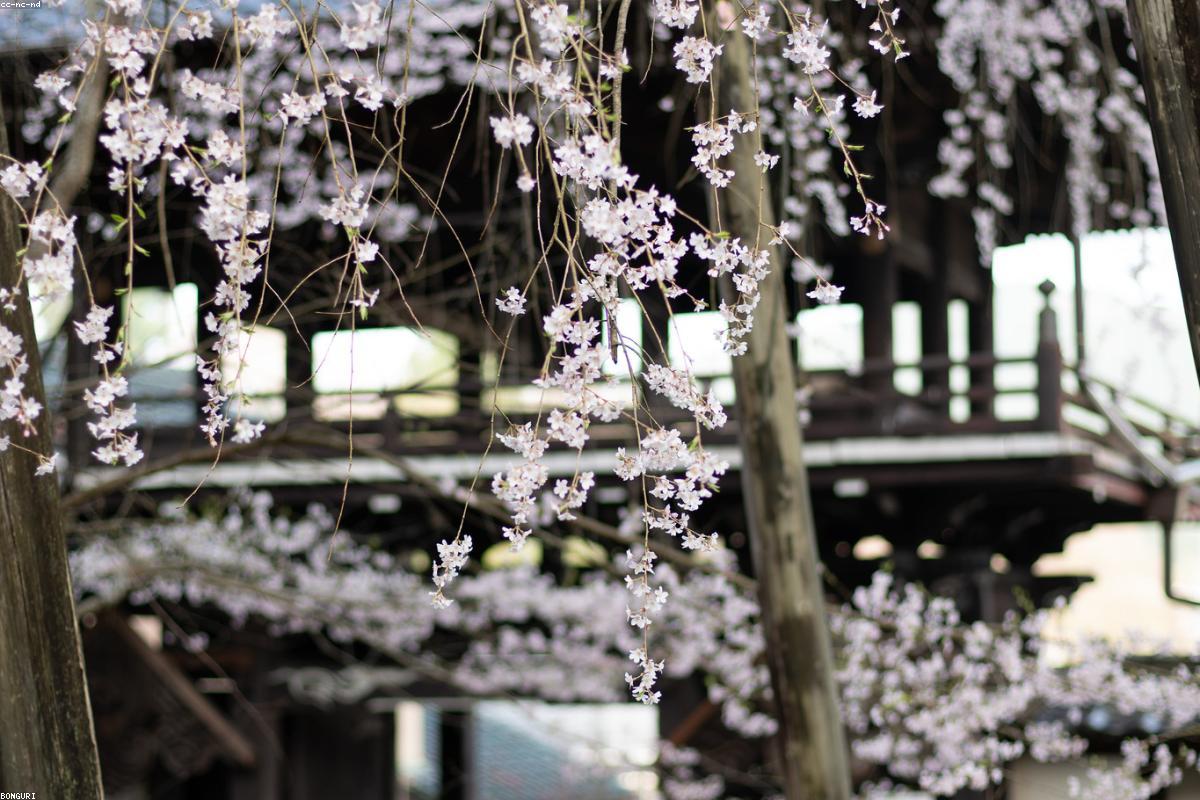
- Pollen allergy (kafunsho). Cedar (sugi) and cypress (hinoki) pollen between February and May produce one of the most severe pollen seasons in the world. Symptoms may include sneezing, runny nose, itchy and watery eyes, and sometimes mild fever-like fatigue.
- Food allergies. Buckwheat (soba), shrimp and crab, eggs, wheat, milk, peanuts, and walnuts are the legally labeled major allergens in Japanese food. Hidden ingredients in sauces and broths may catch travelers off guard.
- House dust and dust mites. Older traditional inns (ryokan) and futon bedding may trigger reactions in sensitive travelers. Symptoms typically include morning sneezing, congestion, and itchy eyes.
- Insect bites and stings. Mosquitoes are common in summer; wasps and the giant Asian hornet (suzumebachi) may be encountered while hiking. Most reactions are mild, but anyone with known severe allergy may wish to carry their epinephrine auto-injector.
- Drug and chemical allergies. If you have a known reaction to specific medicines (penicillin, NSAIDs, contrast dye), carry a written note in English — ideally one that also names the active ingredient in Japanese.
Pollen Season Calendar
Japanese pollen seasons can be unusually severe, especially in central and western Japan. Knowing what is in the air during your visit may help you prepare.
- February to early April: cedar pollen (sugi). The most aggressive season, peaking in March. Affects most of Honshu and significant parts of Kyushu and Shikoku. Hokkaido has very little cedar pollen, which is why some Japanese travel north to escape.
- April to May: cypress pollen (hinoki). Often overlaps the tail of cedar season. Many people allergic to cedar are also allergic to cypress.
- Late May to August: grass pollens. Including orchard grass and timothy. Less intense than cedar but troublesome for people with grass allergies elsewhere in the world.
- August to October: ragweed and mugwort. A secondary autumn season, milder than spring but enough to cause symptoms in sensitive people.
- Year-round: dust, mold, and pet dander. Often worsened by humid summer weather and by older accommodations.
Daily pollen forecasts are available in English on apps such as the Japan Meteorological Agency website and several private weather services.
Common Allergens in Japanese Food
Japan’s food allergen labeling law requires packaged foods to declare seven major allergens (and recommends labeling for many more). Restaurant disclosure is improving but still inconsistent — asking is generally advised if you have severe allergies.
The Seven Mandatory Labeled Allergens
- Eggs (tamago). Common in mayonnaise, ramen toppings, tempura batter, and many sauces.
- Milk (gyunyu). Less prevalent in traditional Japanese cuisine but common in modern bakery items, sweets, and many sauces.
- Wheat (komugi). In ramen, udon, soy sauce, tempura batter, and most sweets and bread.
- Buckwheat (soba). Soba noodles, of course, but also as flour in some snacks. Severe allergies can be life-threatening — treat with caution.
- Peanuts (rakkasei). Less common in mainstream Japanese cooking but appears in some sweets and Chinese-influenced dishes.
- Shrimp (ebi). Widespread in tempura, dumplings, and cracker snacks.
- Crab (kani). In hotpots, sushi, and many seafood dishes.
Twenty-one additional ingredients are recommended (but not required) for labeling, including sesame, almonds, walnuts, salmon, mackerel, beef, pork, chicken, soy, fruits, gelatin, and others. If you have severe allergies, preparing an allergy card in Japanese listing your triggers and showing it at restaurants is generally advised.
Buying Allergy Medicine in Japan
Japanese pharmacies stock a wide range of antihistamines, nasal sprays, and eye drops for allergy relief. The word “arerugii” (allergy) is widely understood — English is also often recognized at large pharmacies.
- Oral antihistamines. Loratadine, cetirizine, fexofenadine, and bilastine are all available over the counter in Japan. Second-generation options tend to cause less drowsiness and may often be the first choice for travelers.
- Nasal sprays. Steroid nasal sprays (mometasone, fluticasone) are available without prescription and may be very effective for moderate to severe nasal symptoms.
- Antihistamine eye drops. Sold in any drugstore, may be well suited to itchy and watery eyes during pollen season.
- Pollen-blocking masks. Specialized pollen-filter masks are sold at every convenience store and pharmacy during spring.
- Saline nasal rinse kits. May be useful for clearing pollen and dust from the nasal passages.
How to Ask at the Pharmacy
- “Arerugii no kusuri o kudasai” — Please give me allergy medicine.
- “Kafunsho desu” — I have hay fever / pollen allergy.
- “Nemuku naranai mono ga ii desu” — Something that does not cause drowsiness, please.
- “Ima nondeiru kusuri wa . . . desu” — I am currently taking . . . (show the bottle).
Tell the pharmacist about any other medications you take, especially blood pressure medication, antidepressants, or anti-anxiety medication, since some may interact with antihistamines.
Severe Allergic Reactions and Anaphylaxis
Anaphylaxis is a life-threatening allergic reaction that can develop within minutes of exposure to the trigger. Treat any of the following as a possible medical emergency.
- Difficulty breathing or wheezing.
- Swelling of the face, lips, tongue, or throat.
- Sudden, severe hives covering large parts of the body.
- Dizziness, fainting, or rapid drop in blood pressure.
- Vomiting or severe abdominal cramps following a known allergen exposure.
What to Do
- Use an epinephrine auto-injector (EpiPen) immediately if you carry one. Press firmly into the outer thigh and hold for several seconds. The injection generally works through clothing.
- Call 119 for an ambulance. The call and the ride are free.
- Lay the person flat with legs raised unless they are vomiting or have trouble breathing — in those cases, position them on their side or sitting upright.
- Do not delay the ambulance even if symptoms improve after epinephrine. A second wave (biphasic reaction) can occur hours later and may be more severe.
For more on emergency procedures, see our Medical Emergency in Japan guide.
Finding an Allergist
For ongoing allergy symptoms, an internal medicine (naika) clinic is generally a good first stop. For complex cases, formal allergy testing, or immunotherapy, an allergist (arerugii-ka) at a larger clinic or hospital may be appropriate.
In Major Cities
English-speaking allergy care is mostly concentrated in major-city international clinics. Our city guides list options:
In Regional and Rural Areas
Outside major cities, ask your hotel or ryokan to call a nearby internal medicine clinic on your behalf. Most clinics can manage standard pollen-season symptoms with antihistamines and nasal sprays.
Online Consultation as an Alternative
For non-urgent allergy symptoms such as seasonal sneezing or mild itching, online doctor consultations may be a convenient option. A licensed Japanese physician can assess your symptoms remotely and recommend over-the-counter or prescription options. Online care is not appropriate for severe reactions or any sign of anaphylaxis — those require emergency care.
What to Expect at a Japanese Clinic
A typical clinic visit for allergies tends to follow a predictable, efficient pattern.
- Reception. Bring your passport and travel insurance card. The medical questionnaire (monshinhyo) is usually in Japanese; a translation app handles this in a minute.
- Symptom interview. The doctor asks about onset, duration, suspected triggers, prior allergy history, and current medications.
- Examination. A brief check of nose, throat, eyes, and lungs. For suspected food allergies or persistent unexplained symptoms, the doctor may order a blood test (specific IgE panel) — results typically take a few days.
- Prescription. Most clinics do not dispense medicine. You take a paper prescription (shohosen) to a nearby dispensing pharmacy.
- Payment. Due on the day, at the clinic reception. Cash is generally accepted; cards are widely but not universally accepted.
Insurance & Cost
Without Japanese national health insurance, foreign visitors typically pay full out-of-pocket prices. Most travel insurance policies may cover allergy consultations and prescribed medication.
Approximate Costs Without Insurance
- Initial clinic consultation: ¥5,000 – ¥10,000
- Specific IgE blood test (per panel): ¥5,000 – ¥15,000
- Prescription antihistamine (one month): ¥1,500 – ¥4,000
- Steroid nasal spray: ¥2,000 – ¥5,000
- Emergency room visit for severe reaction: ¥15,000 – ¥50,000+ depending on tests and observation time
Documents to Request
It is generally wise to ask for an itemized receipt (ryoshusho). For insurance reimbursement, request a brief medical certificate (shindansho) describing the diagnosis and treatment. An English-language certificate may carry an extra fee (typically ¥3,000–¥5,000) but may be essential for many insurers.
Prevention Tips
A few simple precautions may significantly reduce allergy symptoms during your trip.
- Wear a mask outdoors during pollen season. Pollen-blocking masks sold at any convenience store may filter a meaningful percentage of airborne pollen.
- Use pollen-blocking goggle-style glasses. Especially helpful if you experience eye symptoms.
- Shower and change clothes after outdoor activity. Pollen clings to hair, skin, and fabric — leaving it on at night is a common reason for nighttime symptoms.
- Carry an allergy card in Japanese. If you have severe food allergies, a printed card listing triggers (in Japanese script) may be more reliable than verbal explanation in restaurants.
- Carry your epinephrine auto-injector at all times if prescribed for severe allergies. Mention to airport security and travel insurance providers.
- Pack your usual antihistamine for the first few days, in case finding the equivalent at a Japanese pharmacy takes longer than expected.
Frequently Asked Questions
Find a Doctor Near You
TravelCare.jp helps international visitors connect with English-speaking doctors across Japan. If you are unwell, get guidance from a medical professional today.
TravelCare.jp provides navigation and information only. We do not offer medical advice, diagnosis, or treatment. Always consult a qualified healthcare provider for your specific situation.