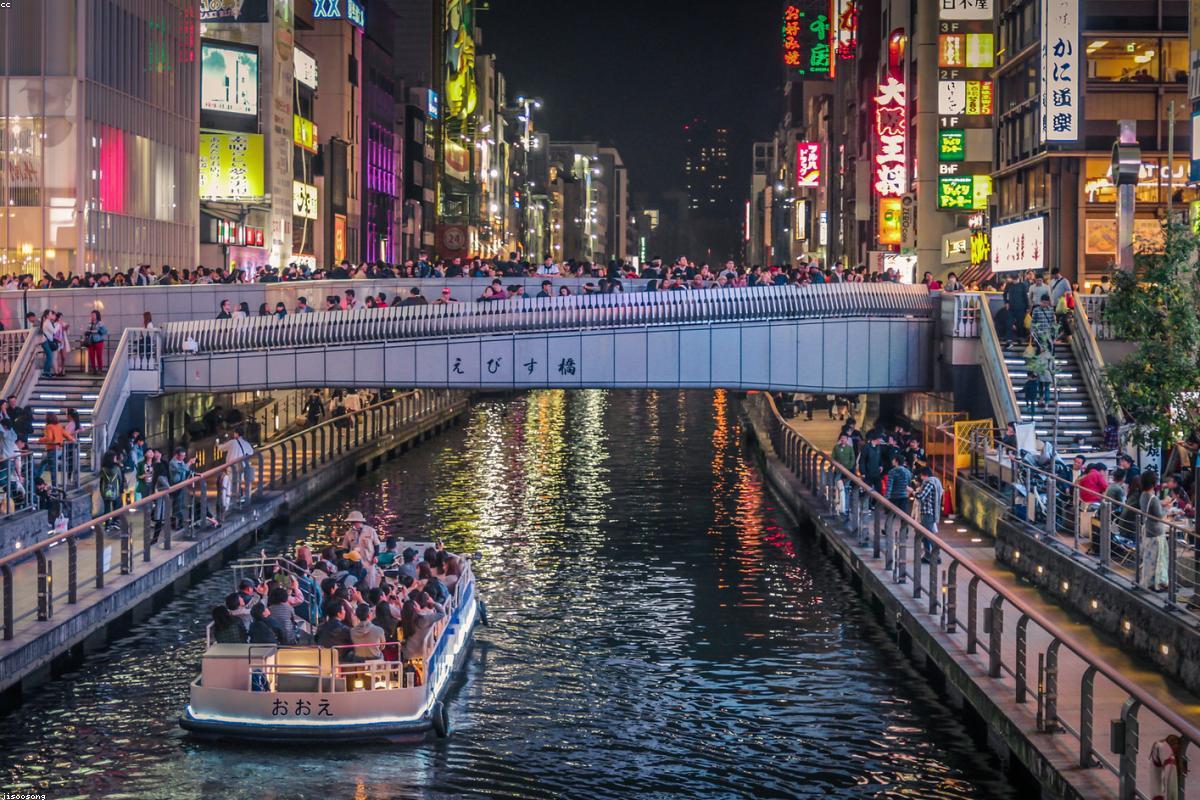
Fever Clinics in Osaka for Tourists
A sudden fever while traveling in Osaka can be alarming, especially when the local medical system feels unfamiliar. This guide explains where to go for fever care in Osaka, what to bring, and how to communicate effectively with the doctor.
Why Tourists in Osaka Need Fever Care
Osaka is Japan’s second largest metropolitan area and a major gateway for international visitors flying into Kansai International Airport. The city’s friendly culture is welcoming, but medical care still happens primarily in Japanese, which can make a clinic visit feel daunting.
A fever may be a sign that the body is responding to an infection. In many cases, fevers in travelers are caused by common viral infections such as influenza or a seasonal cold, but they could also reflect food-borne illness, urinary tract infection, or — in rare cases — a more serious condition. Without timely evaluation, what feels like a manageable fever may worsen and lead to dehydration, fatigue, or complications that disrupt the rest of the trip.
Fever care is also important because Japan has dedicated “fever clinics” (hatsunetsu gairai) that handle patients with fever or respiratory symptoms separately from general patients. This separation may help reduce the spread of infectious diseases inside the clinic, but it also means that walking into a regular clinic with a fever could be redirected to a different facility. Knowing the local fever-clinic system in advance may save time and reduce confusion when symptoms first appear.
Travelers may also find that staying hydrated, resting, and using over-the-counter fever reducers can ease mild symptoms. However, if a fever is high, lasts more than two or three days, or is accompanied by other concerning signs such as severe headache, neck stiffness, difficulty breathing, persistent vomiting, or confusion, it is generally wise to consider seeing a doctor without delay.
Types of Clinics for Fever Care in Osaka
Fever care in Japan is delivered through several types of facilities. Knowing the differences may help travelers choose the right starting point.
Dedicated fever clinics (hatsunetsu gairai)
Many clinics in Japan operate a separate intake for patients with fever or respiratory symptoms. These dedicated fever clinics may require an appointment in advance, and patients often wait in a separate area or room. Calling ahead is generally recommended, especially during influenza season.
General clinics with fever intake hours
Some general clinics handle fever patients during specific hours each day. The clinic may ask about your symptoms over the phone before booking the appointment, so being prepared to describe your fever, when it started, and any other symptoms could speed up the process.
International clinics
International clinics that primarily serve foreign patients usually have English-speaking staff and may offer fever care without a separate appointment system. These clinics could be a good first stop for travelers with limited Japanese.
Hospital outpatient departments
Larger hospitals may handle fever patients through their general internal medicine or emergency departments. A referral letter from a clinic may be preferred for non-urgent visits, but in cases that feel urgent, going directly to a hospital with an emergency room may be the most reliable choice.
Telemedicine
Online consultations with a doctor may be appropriate for mild fever without other concerning symptoms. Telemedicine could allow travelers to receive an initial assessment, prescription suggestions, or guidance on whether an in-person visit is needed.
The right choice depends on the urgency of the situation, the type of symptom, and the level of language support that the traveler needs. For something serious or unfamiliar, an international clinic or a hospital with an international patient service may offer the most reassurance. For a milder concern, a neighborhood clinic or a telemedicine consultation could be enough. When uncertain, it may be reasonable to start with a phone call to ask the clinic about the appropriate intake route, since this small step could prevent a wasted trip when symptoms are evolving quickly.
Areas in Osaka With English-Friendly Fever Clinics
Not every clinic in Osaka offers English support, but several neighborhoods are known for international-facing practices. The following areas tend to have a higher concentration of clinics that see English-speaking patients, and may be practical starting points for travelers seeking fever.
Namba
Namba is the heart of southern Osaka and a popular base for tourists. Several general clinics in Namba offer same-day consultations for common travel-related concerns, and walk-in availability is generally good on weekday mornings. Clinics in this area are increasingly used to seeing overseas visitors and may issue English receipts on request.
Shinsaibashi
Shinsaibashi sits between Namba and Honmachi and is one of Osaka’s main shopping districts. Clinics here may serve a mixed local and international clientele, and several have nurses or staff who can communicate in basic English. For travelers staying in Shinsaibashi hotels, walking to a nearby clinic may be the most convenient option.
Umeda
Umeda is the commercial and transportation center of northern Osaka, with major train lines and large hospitals nearby. Clinics in the Umeda district often handle business travelers and may offer same-day or next-day appointments. The proximity to Osaka Station also makes Umeda convenient for travelers passing through Osaka by Shinkansen.
Tennoji
Tennoji is a major hub in southern Osaka, close to Shitennoji Temple and the Abeno area. Several general clinics and a large hospital are in the Tennoji area, which may be useful for travelers staying around the south side or visiting nearby attractions. Some clinics in the area have experience with foreign patients and may provide multilingual support.
These four areas are not the only neighborhoods with English support in Osaka, but they are reliable starting points. Other districts may also host clinics with multilingual services, and the city’s broader hospital network may extend English-language assistance more widely than many visitors realize. When time allows, looking up two or three options in advance and noting their addresses could save valuable minutes if symptoms appear at an inconvenient hour. Hotel concierges, embassy medical lists, and travel insurance assistance lines may also point travelers toward suitable clinics in Osaka.
What to Bring to a Fever Clinic in Osaka
Arriving prepared can make a clinic visit in Osaka smoother and shorter. The following checklist covers items that travelers commonly need; not every clinic will require all of them, but having them on hand may prevent delays at reception or during the consultation.
- Passport or government-issued photo ID — most clinics require identification at check-in.
- Travel insurance card or policy summary — a copy may help with cashless billing where available.
- Credit card or sufficient cash — Visa and Mastercard are widely accepted, but smaller clinics may operate on cash only.
- A thermometer or recent temperature readings — a written timeline of your temperature can be very helpful to the doctor.
- A list of current medications — including any fever reducers you have already taken.
- Allergy information — note any known allergies to medications, foods, or environmental factors.
- A written timeline of symptoms — when the fever started, the highest temperature, and any other symptoms in order of appearance.
- A translation app or pocket Japanese phrase reference — useful for reception or pharmacy interactions.
- Pen and a small notebook — for recording the diagnosis, medication names, and follow-up steps.
- Hotel address and contact information — clinics may ask for this on the intake form.
If you are traveling with a child or an elderly companion, you may also want to bring their vaccination record and any information about their regular pediatrician or family doctor. Bringing a printed copy of your travel insurance card may help reception staff confirm coverage quickly, even when direct billing is not arranged in advance.
How to Describe Fever in English at a Japanese Clinic
Even with an English-speaking doctor, the way you describe your fever could shape how quickly the doctor reaches a clinical impression. Travelers may find it helpful to organize their thoughts before the consultation.
Lead with the fever and its timeline
“I have had a fever since two days ago. It started at around 37.8 degrees Celsius and rose to 39.0 last night.” Stating the duration and the highest temperature first gives the doctor an immediate clinical anchor.
Describe associated symptoms in order of severity
Mention symptoms such as cough, sore throat, headache, body aches, chills, nausea, vomiting, diarrhea, or rash. Even if a symptom seems unrelated, sharing it could help the doctor see the full picture.
Use specific descriptive words
Phrases such as “throbbing headache,” “dry cough,” “burning sensation when swallowing,” or “muscle aches all over” may convey more useful detail than general statements.
Note triggers and relieving factors
Mention whether the fever rises at certain times of day, whether over-the-counter medication brings the temperature down, and whether other symptoms get better with rest, hydration, or food.
Share recent context
Tell the doctor about recent travel, food eaten in the last 24 to 48 hours, contact with sick people, and any pre-existing conditions. These details may significantly narrow the list of possible causes.
Travelers may also ask the doctor to write down the suspected condition, the medication names in Roman letters, and any follow-up steps. This written summary could be valuable later, both for personal reference and for a doctor at home reviewing the visit. Asking the doctor to repeat or rephrase any unclear point is reasonable; an English-speaking doctor will generally welcome these clarifying questions, since they may improve adherence to the treatment plan and reduce the chance of miscommunication. When in doubt about whether a symptom is serious, consider seeing a doctor sooner rather than later — early evaluation may rule out concerning causes and bring peace of mind to both the traveler and any companions.
Frequently Asked Questions
Ready to See a Doctor in Osaka?
TravelCare.jp helps international visitors connect with English-speaking doctors and clinics across Japan. If you are feeling unwell during your stay in Osaka, do not wait to seek guidance from a medical professional.
TravelCare.jp provides navigation and information only. We do not offer medical advice, diagnosis, or treatment. Always consult a qualified healthcare provider for your specific situation.