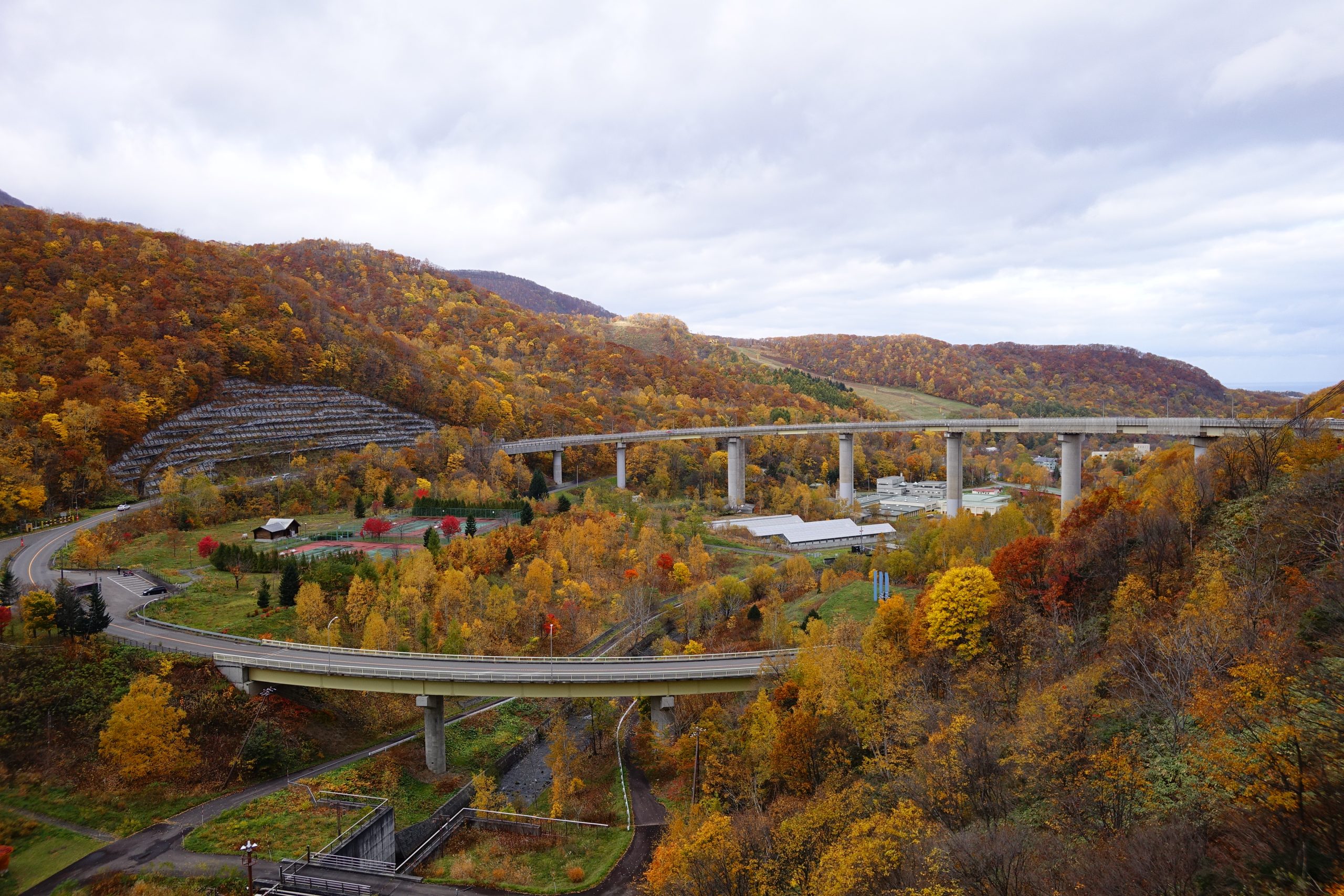
Sick in Otaru-Asari? Medical Care Guide for Tourists
Otaru-Asari is a quiet onsen area on the outskirts of the historic port city of Otaru, offering mountain views and a peaceful retreat close to Sapporo. If you need medical attention during your stay, this guide covers your options — from nearby hospitals to online consultations available in English.
Medical Access in Otaru-Asari
Otaru-Asari benefits from proximity to urban medical infrastructure. Clinics and hospitals are generally accessible within a short distance, and some facilities in the area may have limited experience treating international patients. Pharmacies are also available for over-the-counter medication needs.
The nearest major hospital is in Sapporo, approximately 40 minutes by car from central Sapporo from Otaru-Asari. For non-emergency symptoms, you may find it more convenient to consult a doctor online through medbook.jp before navigating an unfamiliar clinic — particularly if you do not speak Japanese.
What to Do If You Feel Sick in Otaru-Asari
Minor Symptoms (Cold, Headache, Stomach Upset)
For mild symptoms, check whether your accommodation has any over-the-counter medication available, or visit a nearby pharmacy if one is accessible. You may also consult a doctor online through medbook.jp — this can be especially helpful if language is a barrier or if traveling to a clinic is impractical.
Moderate Symptoms (Persistent Fever, Injury, Allergic Reaction)
If symptoms persist or worsen, visit a clinic or hospital in Sapporo. Ask your hotel or ryokan staff for help — they can often call ahead, arrange transport, and provide basic interpretation. Bring your passport, insurance documents, and a list of any medications you are taking.
Emergency (Severe Pain, Difficulty Breathing, Heavy Bleeding)
Call 119 immediately for an ambulance. Stay calm and state your location clearly — if possible, have a Japanese speaker (such as hotel staff) make the call. Do not attempt to drive yourself to a hospital in an emergency.
Online Consultation
For non-emergency symptoms, an online medical consultation may be your most practical option. Through medbook.jp, you can speak with a licensed, English-speaking doctor by video — no travel required. This is particularly useful in Otaru-Asari, where access to English-friendly clinics may be limited.
Nearest Hospitals to Otaru-Asari
For visitors in Otaru-Asari, Sapporo is the closest city with hospital-level medical care (approximately 40 minutes by car from central Sapporo). Hospitals in Sapporo may include general hospitals with emergency departments, as well as smaller clinics for non-urgent issues.
If you need to visit a hospital, ask your accommodation staff for a recommendation — they may know which facility is most accessible and whether any English support is available. In many cases, hospital reception staff can arrange telephone interpretation services to assist with your visit.
What to Bring to a Clinic
- Passport or photo ID: Required for new patient registration at any medical facility in Japan.
- Travel insurance documents: Bring your policy number and emergency contact details. Most clinics require payment at the time of visit, then provide receipts for reimbursement.
- Cash (Japanese yen): Many smaller clinics do not accept credit cards. Carry at least 10,000-30,000 yen.
- List of current medications: Include generic drug names where possible, as brand names may differ between countries.
- Translation app or written symptoms: A translation app on your phone can be invaluable when English support is not available at the clinic.
- Allergy information: Write down any known allergies, especially drug allergies, to show the doctor before treatment begins.
Health Tips for Visitors to Otaru-Asari
- Ask your hotel for clinic recommendations: Hotels in Otaru-Asari may maintain a list of nearby clinics, including any that have experience with international patients.
- Credit cards are more widely accepted: Larger clinics and hospitals in urban areas are more likely to accept credit cards, though carrying cash is still advisable.
- Use public transit if possible: Public transportation in Otaru-Asari may be a reliable way to reach a hospital or clinic without navigating unfamiliar roads.
- Visit a pharmacy first for minor symptoms: Pharmacies in urban areas often stock a wider range of over-the-counter medications than those in rural Hokkaido.
Emergency Numbers and Useful Japanese Phrases
- 119: Ambulance and fire (free, available nationwide)
- 110: Police
- #7119: Medical consultation hotline (available in some areas of Hokkaido)
- Japan Visitor Hotline: 050-3816-2787 (24/7, multilingual support for tourists)
The following Japanese phrases may help you communicate in a medical situation:
- 救急車を呼んでください —Please call an ambulance
- 病院はどこですか —Where is the hospital?
- 英語を話せますか —Do you speak English?
- 薬がほしいです —I need medicine
- 熱があります —I have a fever
- お腹が痛いです —My stomach hurts